
From cost, supply to lead time – what happened in 2025?
Introduction: 2025 Was Not a “Normal Year” for Telecom Importers
For importers, distributors, and network infrastructure buyers, 2025 was not defined by a single event, but by structural changes in the cable and fiber market.
Unlike previous years dominated by demand fluctuations, 2025 revealed deep and systemic challenges:
• Cost volatility impacted Cat6/Cat6A cables, patch panels, RJ45 connectors, and fiber optic products.
• Supply chain risks became more visible, including factory scheduling disruptions, raw material scarcity, and international logistics delays.
• Traditional sourcing models, such as single-supplier reliance or fixed-price contracts, became increasingly unreliable.
Many importers realized that cables and fiber are no longer low-risk, predictable procurement items.
1. Raw Material Costs Were Not Just Rising, but Unpredictable
Most importers felt cost pressure in 2025, but the real change was the frequency and amplitude of price fluctuations.
Key changes:
• Copper price volatility surged: According to LME and US copper futures data, 2025 copper prices rose from ~$8,100/ton in April to $11,944/ton by October, with total annual gains of 30–34%. Short-term fluctuations driven by macroeconomic expectations and geopolitical signals made budgeting for Cat6/Cat6A and fiber optic cable imports highly uncertain.
• Other materials, including aluminum (used in cable shielding), plastics (for insulation and casings), and packaging, also fluctuated significantly, affecting the costs of patch panels, RJ45 connectors, keystone jacks, and fiber splice boxes.
• Batch-to-batch cost differences became common, even for the same cable or component specifications, creating pricing variability challenges for importers and distributors.
Implications:
• Long-term fixed-price agreements carried higher financial risk.
• Standard quotation validity periods shortened from ~30 days to 7–15 days; high-end specialty cables were sometimes quoted with validity periods of less than 7 days.
• Batch-to-batch price differences increased inventory valuation risks and project pricing uncertainties.
2. Fiber Demand Shifted: Data Centers Took Priority
Fiber optic demand continued to grow in 2025, but the source of demand changed significantly.
Key points:
• High-spec fiber demand from AI and cloud data centers surged, especially for single-mode G.654.E and multimode OM5 fibers, growing over 50% year-on-year (YoY) compared to ~12% for the overall fiber market.
• Large enterprise customers secured priority production slots, with major cloud service providers (CSPs) locking in long-term supply contracts to guarantee capacity.
• Lead times for FTTx and project-specific fiber extended from 30–45 days to 60–90 days; lead times for niche or custom fiber configurations sometimes exceeded 120 days.
Importer impact:
• Even standard commercial fiber types experienced periodic supply tightness.
• Fiber closures and splice boxes – critical accessories for fiber deployment – also faced extended lead times due to correlated demand and material cost pressures.
• Small-to-medium batch orders for both fiber products and copper cabling (including Cat6/Cat6A cables and patch panels) were deprioritized in factory scheduling.
Fiber procurement evolved into a structural supply risk management issue for importers.
3. Lead Time Became a Strategic Risk
Previously, lead time delays were treated as operational issues. In 2025, they escalated into strategic business risks.
Changes observed:
• Frequent factory scheduling adjustments, driven by raw material shortages and sustained high demand, extended production cycles for custom or specialty Cat6/Cat6A cables, patch panels, and fiber optic components to 3–6 months.
• Uneven recovery in global shipping and regional logistics bottlenecks (e.g., port congestion, route disruptions) further exacerbated lead time uncertainties for importers and distributors.
• Delivery reliability for core network cabling products declined, forcing procurement and project teams to rethink project timelines and contingency plans.
Importers increasingly asked a critical question:
If this supplier cannot deliver in 60–90 days, do we have a viable alternative?
4. Cost Pressure Spread Across the Entire Cabling System
A notable but often underappreciated change in 2025 was that cost pressure extended beyond core cables to the entire cabling system ecosystem.
Affected products:
• Patch panels, cable managers
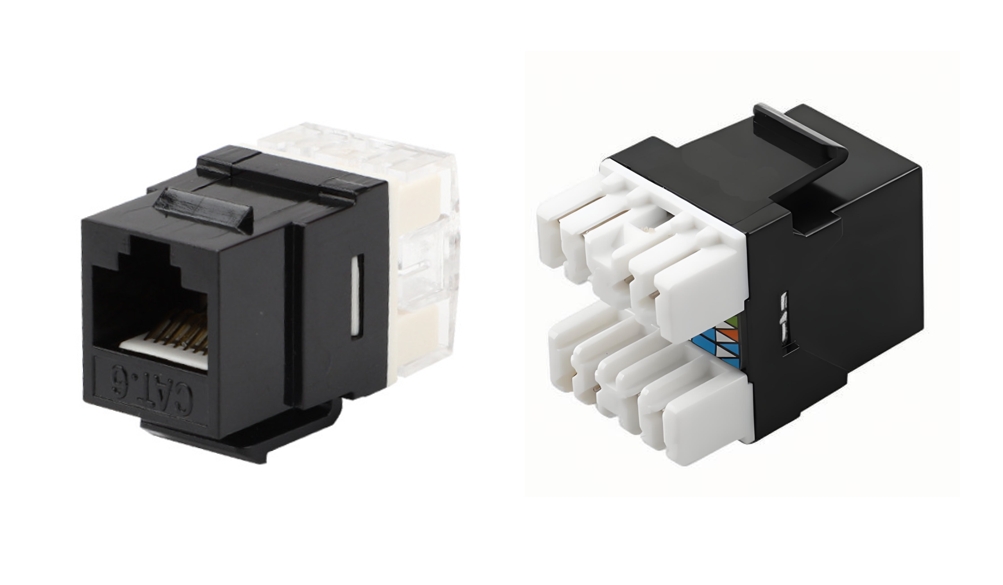
• RJ45 connectors, keystone jacks, modular plugs
• Faceplates, adapters
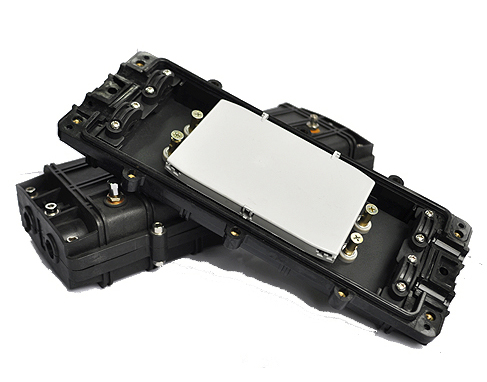
• Fiber closures, splice boxes, optical accessories
Contributing factors:
• Metal price volatility: Copper wire prices rose 15–18% year-on-year; steel and brass – key materials for patch panels, RJ45 connector contacts, and fiber splice box enclosures – fluctuated by 20–30%.
• Plastic and labor cost increases: Injection-molded components (e.g., faceplates, adapter housings, and fiber accessory casings) became more expensive due to rising petrochemical feedstock costs. Meanwhile, labor costs in major manufacturing regions (e.g., Southeast Asia, China’s Yangtze and Pearl River Deltas) rose 5–8% annually.
These upstream cost changes simultaneously amplified the total procurement cost of cabling systems, creating challenges for budget planning and project quoting.
5. Importers Reassessed Supplier Strategies
By mid-2025, a clear shift in importer mindset emerged: from prioritizing the lowest price to emphasizing long-term supply stability and risk mitigation.
Common strategic adjustments:
• Establishing dual-source or multi-source supply chains for critical products (e.g., Cat6/Cat6A cables, high-demand patch panels, and core fiber optic products).
• Reducing reliance on a single factory or brand to mitigate the impact of localized disruptions (e.g., regional production halts, logistics issues).
• Conducting small-batch trial orders to validate supplier reliability, quality consistency, and delivery performance before scaling up purchases.
• Strengthening quality control protocols, including batch testing and verification of compliance documents (e.g., RoHS, UL, ISO certifications) for network cabling components.
These changes were focused on building resilience for procurement continuity, not necessarily replacing existing suppliers entirely.
Insights for 2026
Based on 2025’s market dynamics, several clear trends have emerged to guide importers in 2026:
• Cable and fiber prices will remain dynamic, requiring agile purchasing practices (e.g., short-term pricing agreements, real-time material cost monitoring).
• Data center demand will continue to compete for high-end fiber production capacity; global AI/data center investments are projected to grow at a 25% compound annual growth rate (CAGR) through 2030, while high-end fiber capacity expansion takes 18–24 months, sustaining a tight supply-demand balance.
• Lead time transparency – including real-time production scheduling and logistics tracking – will become as critical as pricing in supplier selection.
• Procurement decisions will prioritize flexibility and reliability over brand premium, with multi-sourcing and supplier diversification becoming standard practice.
For importers, multi-sourcing and OEM partnerships are no longer just cost-saving measures—they are essential strategies for ensuring business continuity amid ongoing market uncertainties.
Conclusion
2025 marked a turning point: network cabling procurement has officially entered an era requiring proactive risk management.
Importers that have already diversified their supplier bases, validated batch stability through trial orders, and planned for lead time variability will be better positioned to navigate the uncertainties of 2026 and beyond.